Navic — Electric Bikes
Navic Electric Bikes: Empowering Urban Commuters to Ride Cleaner
Navic Electric Bikes exist for the urban rider who refuses to compromise between convenience, style, and environmental responsibility. The brand speaks directly to city commuters navigating crowded streets, eco-conscious professionals seeking low-carbon alternatives to car ownership, and apartment dwellers who need transportation that folds into a closet. Every design decision centers on making electric mobility genuinely practical for real urban life.
The mission driving Navic is straightforward: make high-performance electric vehicles accessible to everyone ready to embrace sustainable transportation. This isn't about luxury toys for weekend hobbyists. The engineering targets daily riders who need reliability through rain, heat, and the unpredictable rhythms of city commuting. UL and FCC certifications back every product, ensuring riders invest in safety-tested equipment rather than questionable imports.
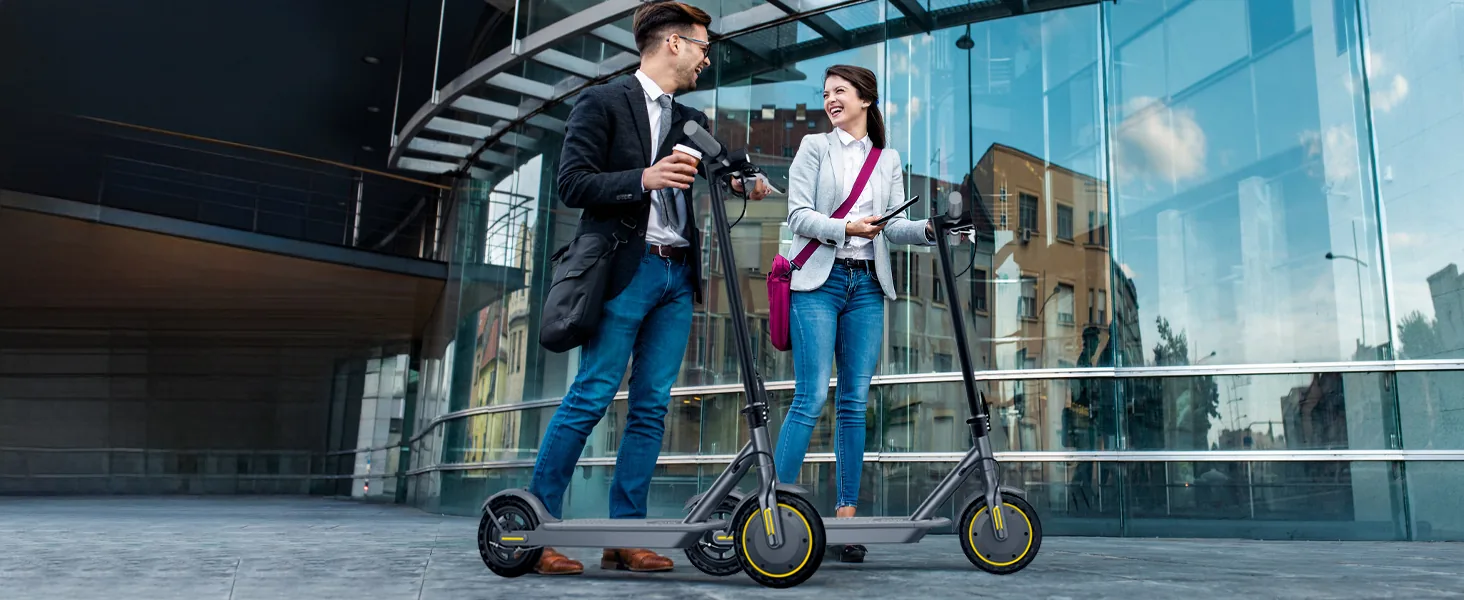
Students crossing sprawling campuses, commuters bridging the gap between transit stations and offices, and city dwellers tired of parking nightmares represent the core Navic community. The brand recognizes that modern urban transportation demands flexibility. Vehicles must fit subway platforms during rush hour, tuck under desks at work, and charge conveniently in small apartments. Navic builds for this reality.
From Folding Scooters to Full-Power Commuter Cycles
The product lineup spans compact folding electric scooters to robust 26-inch wheel commuter bicycles, covering virtually every urban transportation scenario. Folding models feature 14-inch tires and one-step collapse mechanisms designed for subway riders and apartment dwellers. The larger commuter bikes deliver serious range and speed for riders covering longer distances or tackling varied terrain.
Power options scale from efficient 350W motors on lightweight scooters to commanding 1000W brushless systems on full-size e-bikes. This range allows riders to match their vehicle precisely to their commute demands. Short campus hops require different specifications than 15-mile cross-city journeys, and the catalog reflects this practical reality.
Every category shares consistent engineering principles: removable lithium-ion batteries, dual braking systems, and smart Bluetooth connectivity. Whether selecting an 8-inch tire scooter for maximum portability or a front-suspension bicycle for comfort over rough pavement, riders access the same safety certifications and performance standards. The collection eliminates the frustrating trade-offs that plague competitors.
Dual Suspension Meets Dual Braking: The Engineering Inside
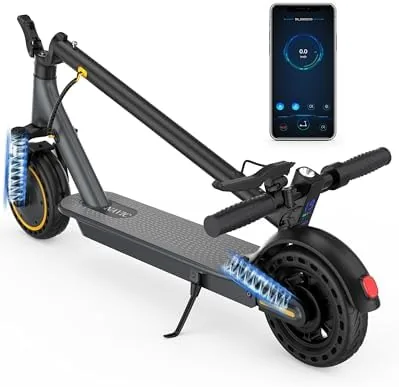
The signature engineering achievement combines dual suspension with a dual braking architecture found nowhere else at this price point. Traditional electric bikes force riders to choose between responsive disc brakes and regenerative systems. Navic integrates both approaches, pairing mechanical drum brakes with EABS regenerative anti-lock technology for stopping power that adapts to conditions.
Regenerative braking captures kinetic energy during deceleration and feeds it back to the battery, extending range by meaningful margins on stop-and-go urban routes. The anti-lock functionality prevents wheel lockup on wet pavement or during emergency stops, a safety feature typically reserved for vehicles costing significantly more. Combined with traditional drum brakes, the system provides redundancy that inspires confidence.
Suspension design addresses the reality of city streets: potholes, cracked pavement, drainage grates, and unexpected obstacles. Front suspension on commuter models absorbs impacts that would otherwise transfer directly to hands and arms, reducing fatigue on longer rides. The engineering team prioritized durability in these systems, selecting components rated for years of daily punishment rather than occasional recreational use.
Smart Bluetooth connectivity elevates the riding experience beyond simple transportation. The companion app allows riders to customize acceleration curves, monitor battery health, track ride statistics, and adjust regenerative braking intensity. This digital integration transforms each vehicle from a passive machine into an adaptable tool that learns rider preferences.
Core Navic Electric Bike Features That Define Urban Performance
- One-Step Folding Design Collapse the entire frame in under three seconds without tools. The mechanism locks securely for transport and unfolds just as quickly for immediate riding.
- Removable Battery System High-capacity lithium-ion batteries slide out for indoor charging. No need to bring the entire vehicle inside or locate outdoor outlets.
- UL/FCC Safety Certification Every model passes rigorous safety testing covering electrical systems, battery integrity, and electromagnetic compliance. This isn't optional marketing language but verified compliance.
- Extended Range Capability Models deliver up to 40 miles on pedal assist mode, eliminating range anxiety for typical urban commutes and errands.
- EABS Regenerative Anti-Lock Braking Recapture energy while preventing wheel lockup. The system responds intelligently to braking pressure and surface conditions.
- Bluetooth Smart App Control Customize speed settings, track mileage, monitor battery status, and adjust performance parameters through the dedicated smartphone application.
The Models Urban Riders Keep Choosing

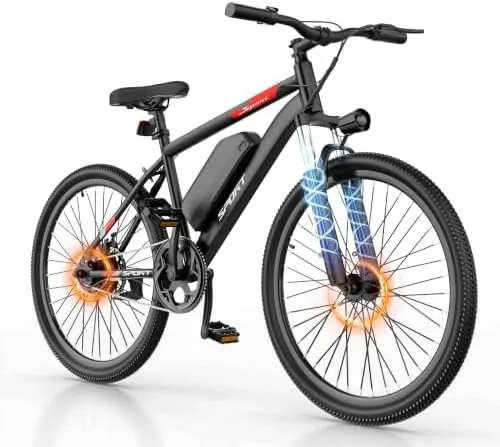
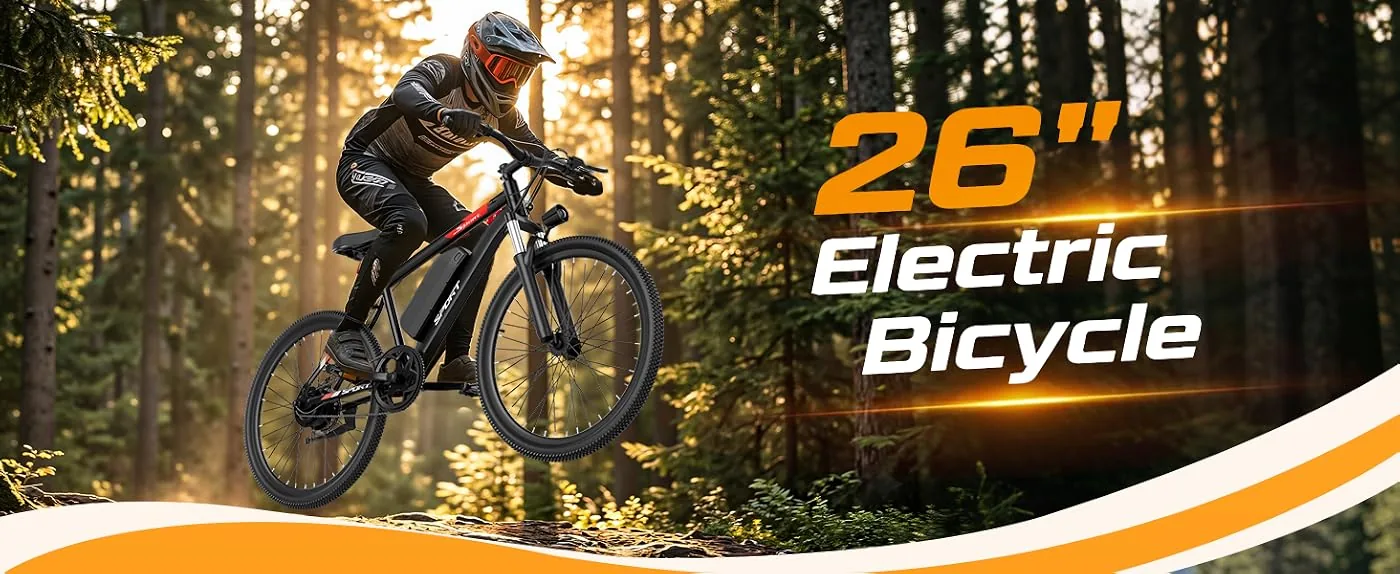
The NAVIC Electric Bike for Adults with its 1000W brushless motor represents the flagship commuter option. Equipped with 26-inch wheels and front suspension, this model handles longer distances and rougher surfaces while maintaining a top speed of 22 MPH. The 48V removable battery delivers up to 30 miles of pedal-assisted range, making it practical for daily round-trip commutes.
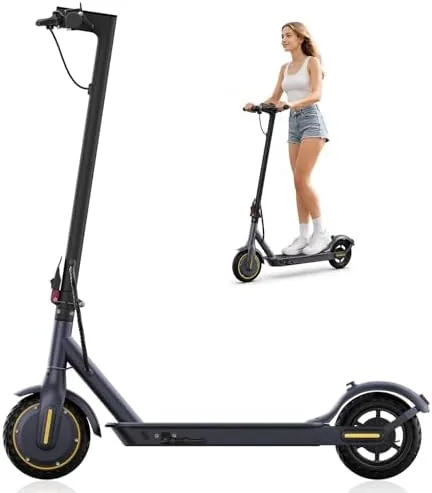
For riders prioritizing maximum portability, the NAVIC Electric Scooter with 8-inch tires dominates the compact category. The 350W motor pushes speeds to 19 MPH while the high-capacity battery extends range to 22 miles. Double braking systems provide confident stopping, and the entire unit folds for subway transport or closet storage.
A seated variant of the electric scooter addresses riders seeking comfort without sacrificing portability. The height-adjustable, removable seat allows switching between sitting and standing positions mid-ride. This flexibility proves valuable on longer trips where standing fatigue becomes a factor, or for riders with physical constraints that make standing uncomfortable.
Lithium-Ion Power Cells and Aircraft-Grade Frame Construction
Battery technology represents the heart of any electric vehicle, and the brand sources premium lithium-ion cells with comprehensive protection circuitry. Overcharge protection, over-discharge prevention, temperature monitoring, and short-circuit safeguards integrate into every battery pack. These aren't aftermarket additions but fundamental design elements that earned UL certification.
Frame construction utilizes aluminum alloys selected for the optimal balance between weight and strength. The same material grades used in aerospace applications provide rigidity without unnecessary mass. Weld points undergo stress testing that simulates years of urban riding, including the repeated folding cycles that portable designs demand.
Component selection extends this quality philosophy to every touchpoint. Grips use ergonomic rubber compounds that maintain traction in wet conditions. Tire compounds balance puncture resistance against rolling efficiency. LED lighting systems provide visibility without draining batteries. Even the kickstand mechanisms use reinforced hinges rated for thousands of deployment cycles.
The removable battery housings deserve particular attention. Rather than proprietary connectors that force riders into single-source replacement parts, the mounting systems use standardized electrical interfaces. Navic scooter parts and navic electric scooter parts remain accessible for long-term maintenance, supporting vehicles throughout their operational lifespan rather than forcing premature replacement.
All-Day Comfort and Consistent Performance Across Urban Terrain
Real-world performance testing occurs on actual city streets rather than controlled laboratory surfaces. Cobblestone districts, potholed avenues, rain-slicked bike lanes, and steep parking garage ramps all factor into development. Suspension tuning responds to these conditions, absorbing shocks that would otherwise accumulate as rider fatigue throughout a commute.
Battery range claims reflect genuine mixed-use scenarios including stops, starts, and varied terrain. The stated 40-mile maximum on pedal-assist models assumes realistic urban riding patterns rather than ideal flat-surface laboratory conditions. Riders consistently report achieving advertised distances during normal commuting, validating the conservative engineering approach to range specifications.
Motor performance maintains consistency regardless of battery charge level until the final percentage points. Brushless motor designs eliminate the gradual power fade that plagues cheaper alternatives as batteries deplete. Acceleration from traffic lights remains responsive whether the battery shows 90% or 20% capacity, providing predictable performance throughout every ride.
Maximizing Your Navic Electric Bike Through Proper Use and Storage
- Initial Battery Conditioning Complete three full charge-discharge cycles before relying on maximum range estimates. This conditions the battery cells and calibrates the charge indicator for accurate readings.
- Optimal Charging Practices Charge after every ride when possible rather than waiting for complete depletion. Lithium-ion chemistry performs best when maintained between 20% and 80% capacity during storage.
- Tire Pressure Monitoring Check tire pressure weekly. Properly inflated tires maximize range, reduce motor strain, and provide the handling characteristics engineers intended.
- Folding Mechanism Care Keep hinge points clean and apply manufacturer-recommended lubricant quarterly. Debris accumulation in folding joints causes stiffness and eventual wear.
- App Connectivity Benefits Connect via Bluetooth regularly to receive firmware updates that improve motor efficiency, battery management, and safety features.
- Indoor Storage Priority Store vehicles indoors when possible. Extreme temperatures stress battery chemistry and accelerate component degradation.
Riding Safely in Urban Traffic: Essential Guidance
Electric vehicle speeds require appropriate protective equipment. Helmets rated for bicycle or scooter use should accompany every ride, regardless of trip length. Local regulations regarding electric bike and scooter operation vary significantly between jurisdictions, and riders bear responsibility for understanding applicable rules regarding speed limits, sidewalk access, and required safety equipment.
The dual braking system provides stopping power that exceeds many competitors, but proper technique maximizes effectiveness. Applying both brake controls simultaneously distributes stopping force between wheels, preventing the front-wheel lockup that causes dangerous over-the-handlebar incidents. Practice emergency stopping in controlled environments before relying on the system in traffic.
Night riding requires activated lights and, ideally, reflective clothing or accessories. Integrated LED systems provide forward illumination but do not guarantee visibility to drivers approaching from side streets or driveways. Defensive riding assumes other vehicles have not seen the rider until eye contact confirms otherwise.
Built for the Last-Mile Commuter and Campus Navigator
Ideal Rider Profiles
- Transit commuters bridging station-to-office gaps
- Apartment dwellers without garage storage
- Students crossing sprawling university campuses
- Urban professionals avoiding parking hassles
- Eco-conscious riders reducing carbon footprints
- City explorers seeking efficient neighborhood access
Common Use Scenarios
- Daily work commutes under 15 miles each way
- Grocery runs and local errands
- Campus navigation between distant buildings
- Connection between public transit and final destination
- Weekend recreational riding on urban trails
- Quick trips avoiding traffic congestion
Selecting the Right Electric Bike Model for Your Commute
Commute distance determines motor and battery requirements more than any other factor. Riders covering under five miles daily can prioritize compact folding scooters with 350W motors and smaller battery packs. Those facing ten-mile or longer round trips should consider the 1000W bicycle platforms with 48V battery systems that guarantee range reserves for unexpected detours.
Storage constraints at home and destination heavily influence format selection. Folding scooters fit under office desks and inside apartment closets, while full-size bicycles require dedicated parking areas or secure racks. Subway and bus commuters mixing transit with personal vehicles must account for weight and collapsed dimensions during rush-hour crowds.
Terrain matters significantly in urban environments with varied topography. Flat cities like Chicago or Miami allow smaller motors to perform efficiently, while San Francisco or Seattle gradients demand higher wattage and torque. Riders regularly climbing parking structures or crossing bridges should select models with throttle-assist capability rather than pedal-assist-only configurations.
Consider multi-rider households when selecting features. Adjustable seat heights and handlebar positions accommodate different body types. Bluetooth profiles allow multiple users to maintain individual app settings. Removable batteries enable one charging station to serve several vehicles sequentially.
Navic Electric Bikes Versus Leading Urban Mobility Competitors
| Feature | Navic | Segway-Ninebot | Hiboy |
|---|---|---|---|
| Motor Power (Peak) | Up to 1000W | Up to 800W | Up to 500W |
| Maximum Range | 40 miles | 28 miles | 25 miles |
| Dual Braking System | Drum + EABS Regenerative | Electronic + Disc | Electronic + Disc |
| Smart App Control | Full Bluetooth integration | Basic app connectivity | Limited app features |
| Safety Certification | UL/FCC Certified | UL Certified | FCC Only |
| Folding Capability | One-step mechanism | Two-step mechanism | Two-step mechanism |
| Removable Battery | Yes, dual charging options | Yes, single charging | Some models only |
| Suspension Type | Dual suspension available | Front only | Front only |
| Adjustable Seat Option | Yes, removable design | Limited models | No |
Specifications reflect flagship models from each brand as of current catalog availability.
Keeping Your Urban Vehicle Running for Years
- Monthly Brake Inspection Check drum brake responsiveness and EABS regenerative function. Worn brake pads reduce stopping power and compromise safety margins.
- Battery Health Monitoring Use the app to track charge cycle counts and capacity degradation. Plan for replacement when capacity drops below 70% of original specification.
- Chain and Drive System Maintenance Clean and lubricate bicycle chains every 200 miles. Scooter belt drives require inspection for cracking or wear at similar intervals.
- Tire Replacement Scheduling Replace tires when tread depth falls below 1mm. Urban debris causes gradual puncture accumulation that fresh tires eliminate.
- Electronic Connection Cleaning Wipe battery contacts and charging ports with dry cloth monthly. Corrosion at connection points causes charging failures and power delivery issues.
- Annual Professional Service Schedule yearly inspection with qualified electric vehicle technicians for brake adjustment, bearing repacking, and firmware verification.